

This memo summarizes our structured analytic review of recent developments in Sudan and assesses whether the temporary momentum shift toward the Sudanese Armed Forces (SAF) aligns with the RSF mitigation and disruption frameworks ARAC International developed between November 2025 and January 2026, following the public release of atrocity evidence by Yale HRL and other investigators.
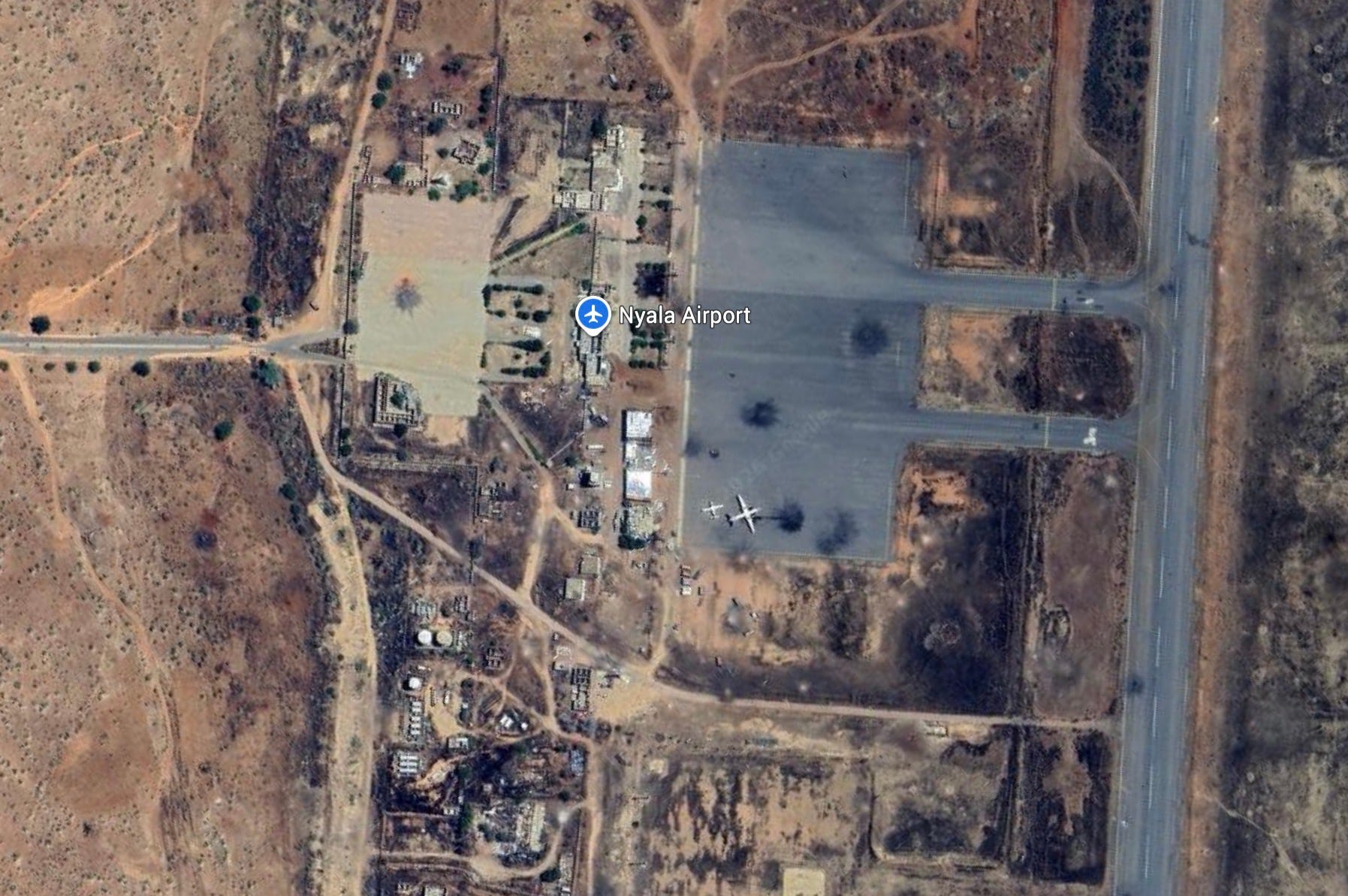
I am updating our Sudan Conflict SitRep previously released following 11 February 2026, reporting that the Sudanese Armed Forces destroyed multiple RSF aerial assets, including Chinese-made CH-95 drones, FK-2000 air defense systems, and associated UAV infrastructure in Darfur and Kordofan. This development reinforces our prior assessment that SAF’s recent momentum gains are being driven not only by siege relief in South Kordofan and increased regional airpower involvement, but also by targeted degradation of RSF’s drone-enabled operational model. The reported loss of aerial strike and air defense capabilities would represent a structural shift in the battlespace, reducing RSF’s ability to protect supply corridors and conduct interdiction operations, and aligning with ARAC’s framework emphasis on disrupting logistics and enabling systems rather than relying solely on frontline attrition.
SitRep:Sudan Conflict | Momentum Shift Indicators and Framework Alignment Check
update: 2/12/2026 | original report date 2/7/2026
Bottom Line (BLUF):
Recent SAF gains observed in late January and early February 2026 are consistent with the logic and priority lines of effort outlined in our frameworks, particularly in the areas of logistics disruption, pressure on external enablers, and the strategic opening of humanitarian access corridors. While there is no evidence that SAF or regional actors explicitly adopted our framework as a playbook, the convergence between our analytical diagnosis and real-world actions is strong and operationally meaningful.
Key Observed Developments (High Confidence):
SAF has broken prolonged RSF siege dynamics in South Kordofan, notably at al-Dalanj (Jan 27) and Kadugli (Feb 3), reopening internal corridors with both humanitarian and operational effects.
Egypt has escalated involvement by deploying advanced Turkish-made Akinci UAVs near the Sudan border, materially altering the ISR and strike environment and increasing interdiction risk for RSF concentrations and convoys.
Multiple investigations and regional reporting continue to link RSF sustainment to cross-border logistics corridors through eastern Chad and southeastern Libya, reinforcing the importance of supply-chain vulnerability as a center of gravity.
Framework Alignment Assessment:
Logistics and Supply-Chain Disruption: Strong alignment. Recent actions directly reflect the framework’s emphasis on interdicting RSF’s long, fragile resupply routes and raising sustainment costs.
Pressure on Enablers and Financial Networks: Partial alignment. Sanctions activity (e.g., UK actions) and increased scrutiny of external support networks raise transaction and compliance friction but have not yet produced decisive enforcement outcomes.
Humanitarian Access as Strategic Leverage: Strong alignment. The breaking of sieges in famine-affected areas mirrors the framework’s explicit prioritization of access corridors as both a civilian protection measure and an operational constraint on RSF coercion.
Accountability for Atrocities: Emerging but incomplete. Atrocity documentation has clearly shifted political “permission space” for external actors, but direct links to arrests, ICC benchmarks, or coordinated enforcement remain limited in the current reporting window.
Analytic Judgment:
The current momentum shift appears driven less by battlefield annihilation and more by changes in the enabling environment: airpower asymmetry, logistics friction, and reduced RSF ability to exploit siege warfare. This outcome aligns closely with the theory of change embedded in ARAC’s mitigation frameworks, which prioritized systemic disruption over decisive single-battle outcomes.
Outlook:
These gains remain fragile and reversible. RSF retains adaptive capacity, alternative routes, and coercive tools. Sustained impact will depend on whether corridor pressure, external constraint, and humanitarian access can be maintained and expanded rather than treated as one-off events.
We will continue monitoring indicators tied directly to the framework, including cross-border logistics activity, UAV dynamics, sanctions enforcement, and durability of humanitarian access.
Best regards,
M. Nuri Shakoor, SRMP-R
ARAC International Inc. | IOSI Global | KSC Learning Lab

To better understand how I drew upon my former experience as an analyst for the U.S. government to develop a structured framework for assessing how regional actors could shift the Sudan conflict toward a sustainable peace, consider a paid subscription to the newsletter. You will see exactly how recent geopolitical moves made in the region are directly in alignment with frameworks we developed starting shortly after the discoveries published by Humanitarian Research Lab at the Yale School of Medicine. The remaining sections of this report provide more details, as well as our sources and analytic process.